

Where nature meets the soul — and where color meets faith.
Introduction · The Story Behind the Valley · Planning Phase · 6-Day Itinerary · Best Time to Visit · Packing Checklist · Safety Tips · Nearby Places · FAQs
🌄 Introduction: Where Nature Meets the Soul
Have you ever dreamt of walking inside a real-life painting?
That's exactly what the Valley of Flowers feels like.
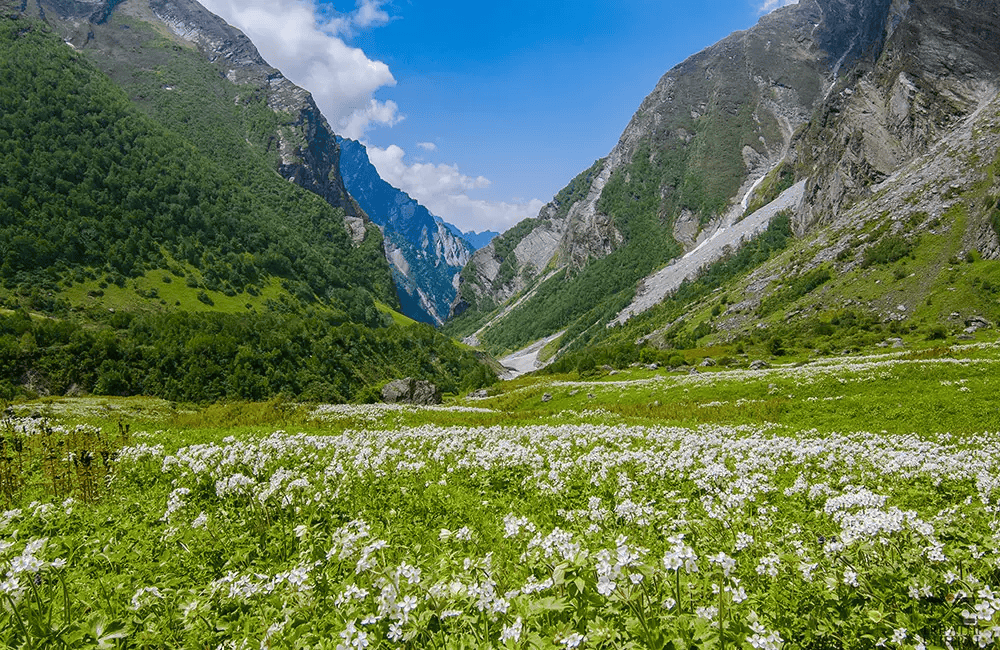
Hidden deep in the Himalayas of Chamoli, this place is so remote that it remains buried under snow for most of the year — almost like nature is protecting it from the world.
And then, for a few short months… it opens.
Thousands of flowers bloom together, covering the valley in colors you didn't even know existed. It doesn't feel real. It feels like something out of a dream.
But here's the thing — this trip is not just about beauty.
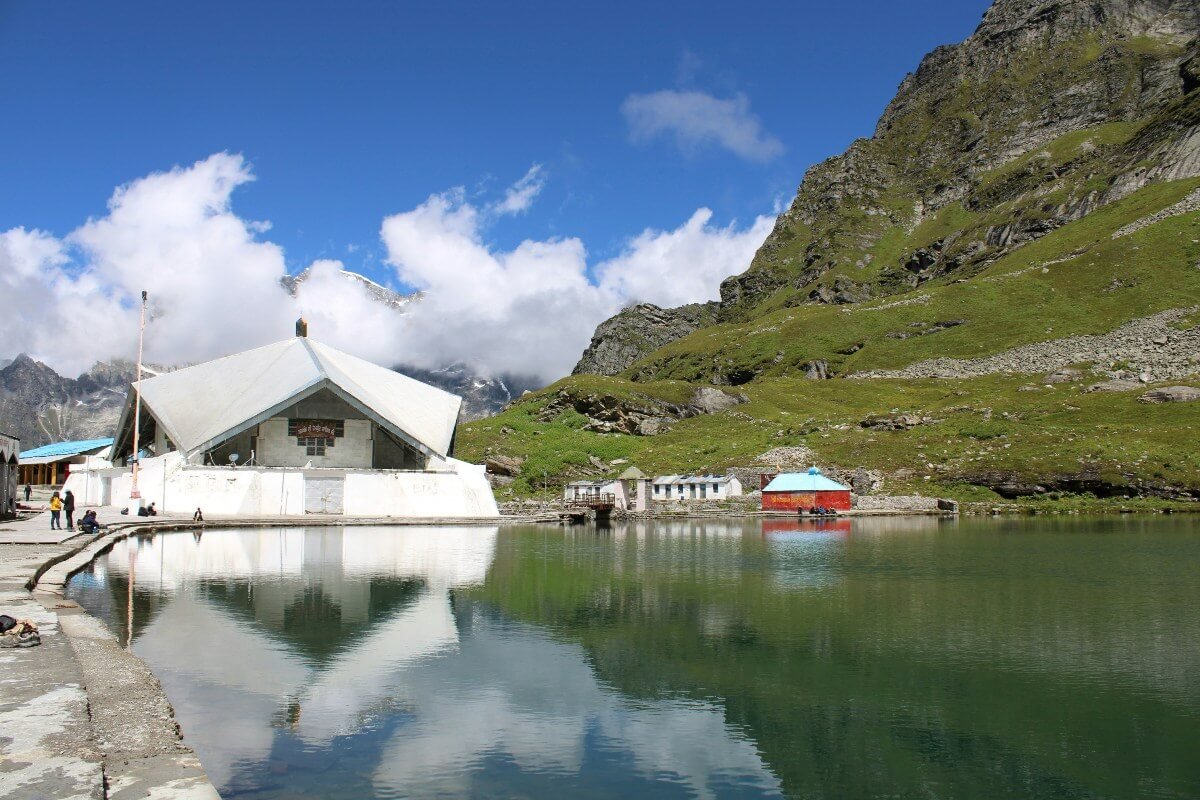
Pair it with Hemkund Sahib, a sacred Sikh pilgrimage site located at 15,000 ft, and your journey transforms into something much deeper.
If Valley of Flowers is the fairytale, Hemkund Sahib is the soul.
Standing beside the glacial lake, surrounded by seven snow-covered peaks, you don't just feel high — you feel something shift inside you.
📜 History: Stories That Make the Journey Magical
🌸 Valley of Flowers — A Discovery That Feels Like Destiny
Interestingly, the Valley of Flowers wasn't always a famous destination.
In 1931, British mountaineer Frank Smythe stumbled upon it completely by accident after losing his way.
But long before that, locals had their own belief. They said this valley was the playground of fairies.
And honestly, when you walk through it — surrounded by silence, mist, and endless flowers — you start to understand why. There's something about the place that feels untouched… almost unreal.
🕊️ Hemkund Sahib — Where Faith Meets the Himalayas
The story of Hemkund Sahib is not just history — it's faith.
Mentioned in the Dasam Granth, it is believed that Guru Gobind Singh meditated here in his previous life.
And when you finally reach there, after a steep and tiring climb, you begin to understand why people come here — not just as travelers, but as pilgrims. Because standing beside that still, icy lake… you don't just feel the cold. You feel peace.
🧭 The Planning Phase: This Is Where Most People Go Wrong
This is not a trip you should plan casually.
Most people focus on bookings first — but the truth is, the success of this trip depends on how well you prepare before you even leave home.
Let's break it down.
⏳ 1. The Golden Window (When to Go)
Don't plan this trip based on your holidays. Plan it based on the mountain's mood.
The Valley of Flowers only blooms for a short period every year.
✔ Best Time: Mid-July to Mid-August
- If you go earlier → Snow blocks most of the valley
- If you go later → Flowers start fading
This short window is when the valley is alive, colorful, and at its absolute peak.
🏃♂️ 2. The Physical & Mental Budget (Fitness)
Before checking hotel prices, check your stamina. Because this is NOT a casual trip.
The trek to Hemkund Sahib alone is around 15 km of steep incline, and it can push your limits if you're not prepared.
✔ Minimum preparation:
- 20–30 minutes of cardio daily (for at least 3 weeks)
- Ability to walk 5 km comfortably
This is not about being an athlete — it's about respecting the mountain.
🗺️ 3. The Logistics Map (Keep It Simple)
One of the biggest mistakes people make is overcomplicating the route.
Keep it simple and follow this flow:
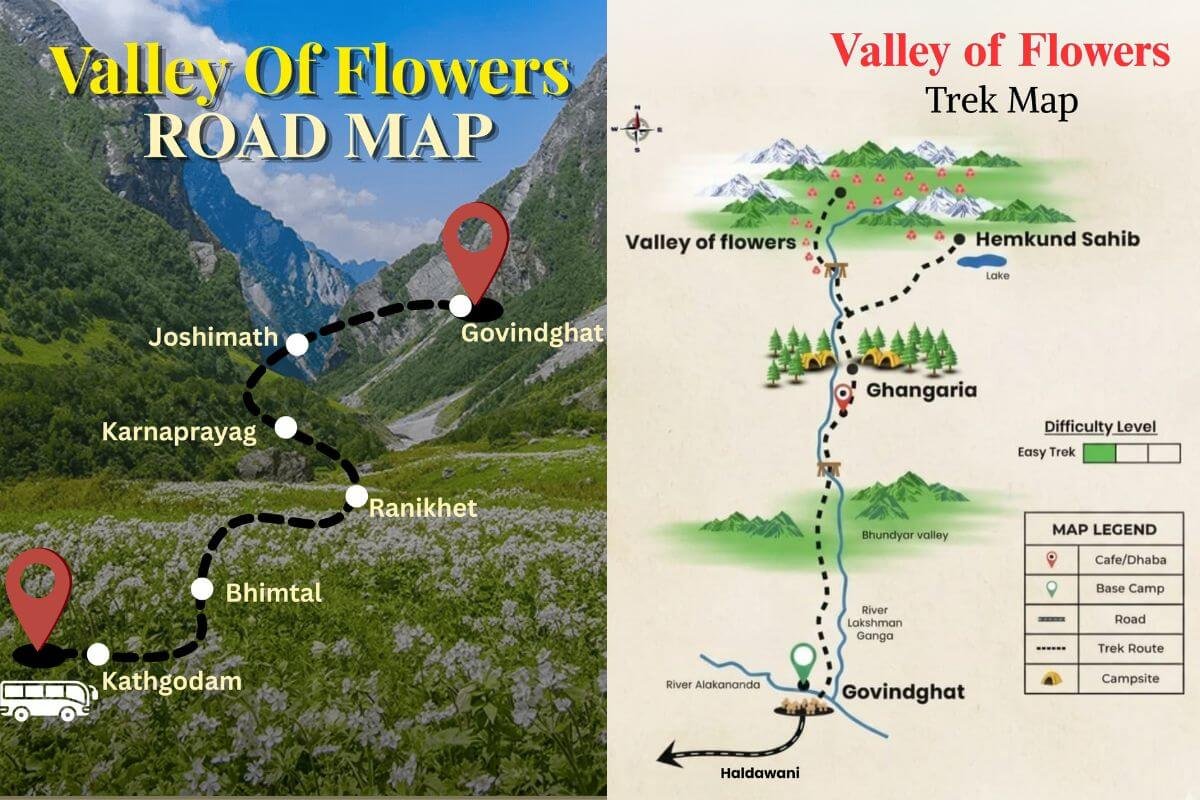
Haridwar / Kathgodam → Joshimath / Govindghat → Pulna → Ghangaria
👉 Ghangaria is your base camp for both Valley of Flowers and Hemkund Sahib. Trying to rush or skip stops will only exhaust you before the trek even begins.
💰 4. The Resource Check (Budgeting Smartly)
Instead of spending blindly, focus on what actually matters. You'll need to budget for:
- Entry permits
- Stay in Ghangaria
- Food & basic expenses
- Emergency fund
| Item | Approx. Cost |
|---|---|
| Forest entry permit | ₹150–200 per person |
| Ghangaria stay | ₹800–1,500/night (per room) |
| Guide/porter | ₹800–1,200/day |
| Food & basics | ₹500–700/day |
| Emergency buffer | ₹2,000+ extra |
✅ The Trekker's Checklist (Save This!)
📅 Phase 1: Basics (3–4 Months Before)
- Fix your travel dates (mid-July to mid-August)
- Start a daily fitness routine
- Set a realistic budget (include emergency funds)
🚐 Phase 2: Logistics (2 Months Before)
- Book transport till Govindghat/Joshimath
- Pre-book your stay in Ghangaria
- Get proper trekking shoes
🎒 Phase 3: Final Prep (2 Weeks Before)
- Check latest forest permit rules
- Pack a basic medical kit
- Keep ID and permits (both physical & digital)
🥾 The 6-Day Valley of Flowers & Hemkund Sahib Trek Itinerary
Many people assume a 6-day trek to Valley of Flowers and Hemkund Sahib is too long — but honestly, it's the perfect pace. The mountains aren't meant to be rushed.
This itinerary gives you time to enjoy the journey, adjust to altitude, and actually experience the Himalayas, instead of just ticking a destination off your list.
We've combined everything — real challenges, practical shortcuts, and personal tips — into one simple, beginner-friendly trek itinerary.
What You'll Get in This Itinerary:
- Day-by-Day Breakdown: A clear, stress-free route from Haridwar/Kathgodam and back
- The "Buffer Day" Strategy: A smart trick to handle unpredictable weather or roadblocks
- Altitude Wisdom: Easy tips to stay energetic and avoid altitude sickness
- Smart Budget Planner: Where to spend wisely and where you can save
👉 Go to the detailed itinerary page and trek smarter, not harder.
🌸 Best Time to Visit Valley of Flowers & Hemkund Sahib
Timing can make or break your trip. If you want to experience both the Valley in full bloom AND a safe trek to Hemkund Sahib, here's what you need to know.
The Golden Window (Mid-July to Mid-August)
This is the best time to visit Valley of Flowers — hands down.
For the Valley:
- Millions of flowers bloom across the landscape
- The valley looks like a living painting
For Hemkund Sahib:
- Snow begins to melt, making trails safer
- Trekking conditions improve significantly
The Overall Experience:
- Lush greenery everywhere
- Fresh mountain air
- A magical, once-in-a-lifetime vibe
| Time | What Happens |
|---|---|
| Early July | Excess snow on Hemkund route, slippery and risky trails |
| Mid-July to mid-Aug | ✅ Peak bloom, safer trails, best overall experience |
| Late Aug – Sept | Flowers begin to fade, temperatures drop sharply near Hemkund Sahib |
Why This Time Works Best:
- Safer Trails: Less snow compared to early July
- Comfortable Weather: Cold, but manageable for trekking
- Peak Bloom Season: Flowers are at their absolute best
Early July: Excess snow on Hemkund route, slippery and risky trails
Late August to September: Flowers begin to fade, temperatures drop sharply near Hemkund Sahib
🎒 Quick Packing Checklist for the Trek
Packing right can make your trek comfortable — or miserable. Keep it simple and functional.
👕 Clothing Essentials
- Thermals (base layer for warmth)
- Fleece or puffer jacket
- Waterproof jacket / poncho
- 2 quick-dry trekking pants (avoid jeans)
- Warm cap + sun cap
- 3–4 pairs of socks
🥾 Footwear
- Waterproof trekking shoes with good grip (non-negotiable)
- Comfortable slippers/sandals for Ghangaria
🎒 Gear & Bags
- 20–30L daypack
- Trekking pole (very useful for Hemkund climb)
- Headlamp or flashlight
- Backpack rain cover
🔋 Essentials
- Reusable water bottles (plastic is banned)
- Basic medical kit
- Power bank
- Hard cash (no network/UPI in Ghangaria)
🛡️ Safety Tips for Valley of Flowers & Hemkund Trek
The Himalayas are beautiful — but they demand respect. Follow these basic rules to stay safe:
🧭 Respect the Altitude
If you feel dizzy, nauseous, or develop a headache — stop and rest immediately. Don't push your limits.
💧 Stay Hydrated
Drink water regularly, even if you're not thirsty. Dehydration increases altitude sickness risk.
👥 Stay with Your Group
Avoid trekking alone. Always keep your guide or group in sight.
🎒 Pack Light
Carry only essentials for the day. A heavy backpack will slow you down significantly.
🌱 Leave No Trace
Carry all your waste back. The mountains are sacred — keep them clean.
🌦 Check Weather Daily
Weather changes fast in the Himalayas. Always check updates before starting your trek.
🗺️ Places to Visit Near Valley of Flowers
If you have extra time, don't rush back — explore these nearby gems.
| Place | Distance | Why Go |
|---|---|---|
| 🛕 Badrinath Temple | ~45 km from Joshimath (1.5–2 hours) | Peaceful and sacred Himalayan shrine |
| 🏔 Mana Village | ~3 km from Badrinath | Known as the "Last Indian Village," local culture & tea spots |
| 🎿 Auli | 10–15 min from Joshimath | Stunning Himalayan views and ropeway rides |
| 🛕 Pandukeshwar | ~20 km from Joshimath | Quiet, historic temple on the Badrinath route |
| 🌄 Niti Valley | ~85 km (full-day trip recommended) | Raw, untouched Himalayan landscape |
❓ Frequently Asked Questions
Yes, with reasonable fitness and a local guide. The trail to the Valley itself is moderate; Hemkund Sahib is the more strenuous part.
Yes, a forest entry permit is required and available at Ghangaria.
No reliable network or UPI — carry sufficient cash.
It's better with a group or guide, especially for Hemkund Sahib's steep climb and unpredictable weather.
Last week of July to first week of August, for peak bloom and safer trails.
🌿 Final Thoughts: Is This Trek Worth It?
The Valley of Flowers and Hemkund Sahib trek is not just a trip — it's an experience that stays with you.
- The valley amazes you with its colors
- Hemkund Sahib grounds you with peace
- The journey teaches you patience, strength, and simplicity
If you've been thinking about it — this is your sign to go.
Valley of Flowers will amaze your eyes. Hemkund Sahib will calm your soul. But together… they do something more.
They remind you how powerful nature can be — and how peaceful life can feel when you slow down.
And once you experience it… you don't just come back with photos. You come back changed.
Ready to go?
Let Wild Goat Trekkers handle the planning, permits, and logistics — you just show up and experience it.
Book Your Trek NowSee you in the mountains 🌿